Mindfulness practices

Awareness that becomes usable in everyday life.

The mindfulness side of BeCentered is less about escape and more about presence. The design language here supports that by giving the content space to breathe and making longer reading feel calm instead of cramped.

Meditation

Awareness and inner quiet

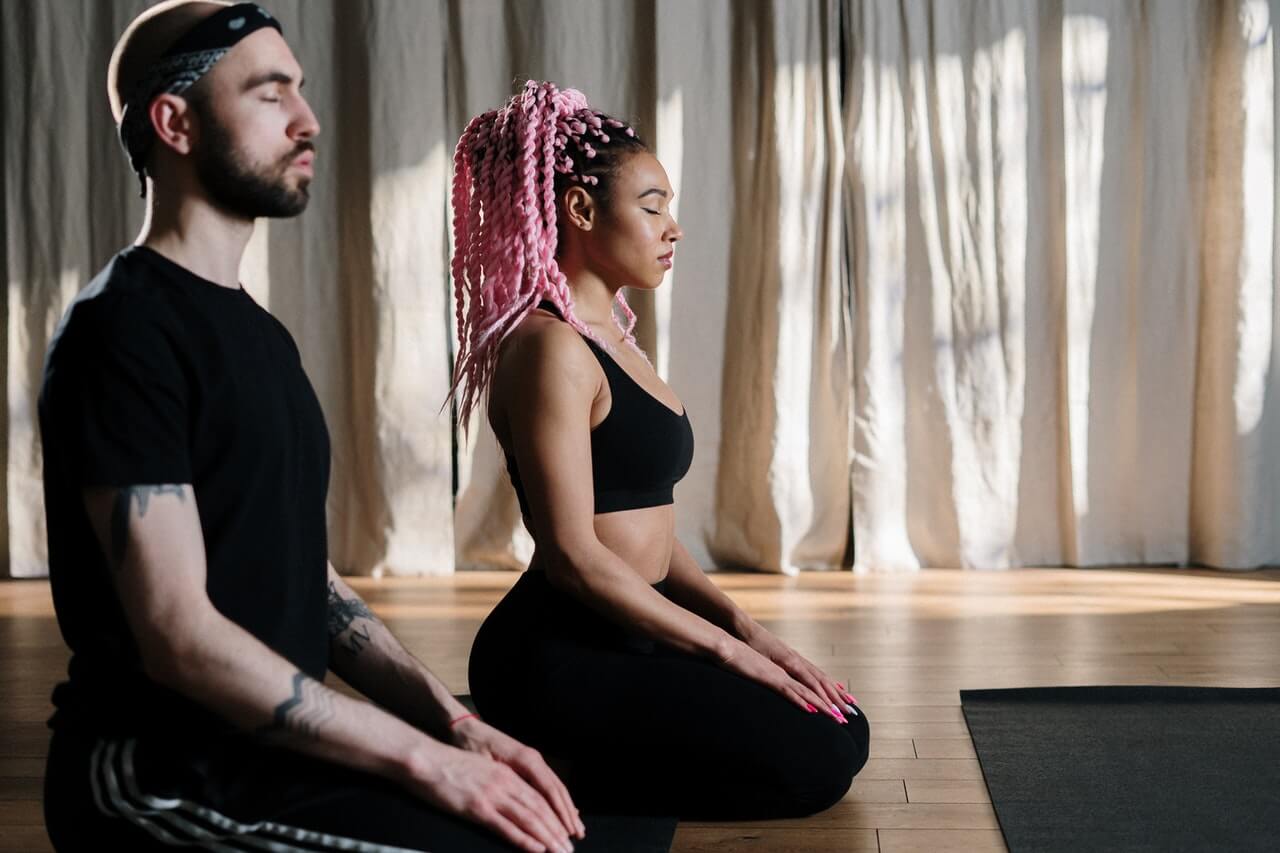
Meditation is a central BeCentered practice because it creates direct contact with stillness, attention, and spaciousness. It is not only a formal exercise but also a way of moving through daily life with more clarity and less reactivity.

Over time, meditation can help people observe thoughts and emotions without immediately being governed by them. That shift is subtle, but it changes a lot.

  • Strengthens present-moment awareness.
  • Builds steadier attention and inner calm.
  • Supports resilience, clarity, and self-trust.
  • Creates more space around difficult thoughts and feelings.
Get practice notes
Two people sitting on the floor practicing meditation.

Mind Balancing

Practical awareness in motion

Mind balancing connects awareness with embodied patterns. It uses movement, attention, and reflection to help people notice recurring emotional habits and gradually shift how those habits are carried and expressed.

This practice makes mindfulness more practical. It gives the inner observer something real to work with and helps translate insight into behavior.

  • Helps reveal stress patterns in thought, breath, and body.
  • Encourages constructive emotional regulation.
  • Supports compassion, steadiness, and clearer perception.
  • Turns mindfulness into something active and lived.
Join the newsletter
Meditative seated figure in a calm setting.